
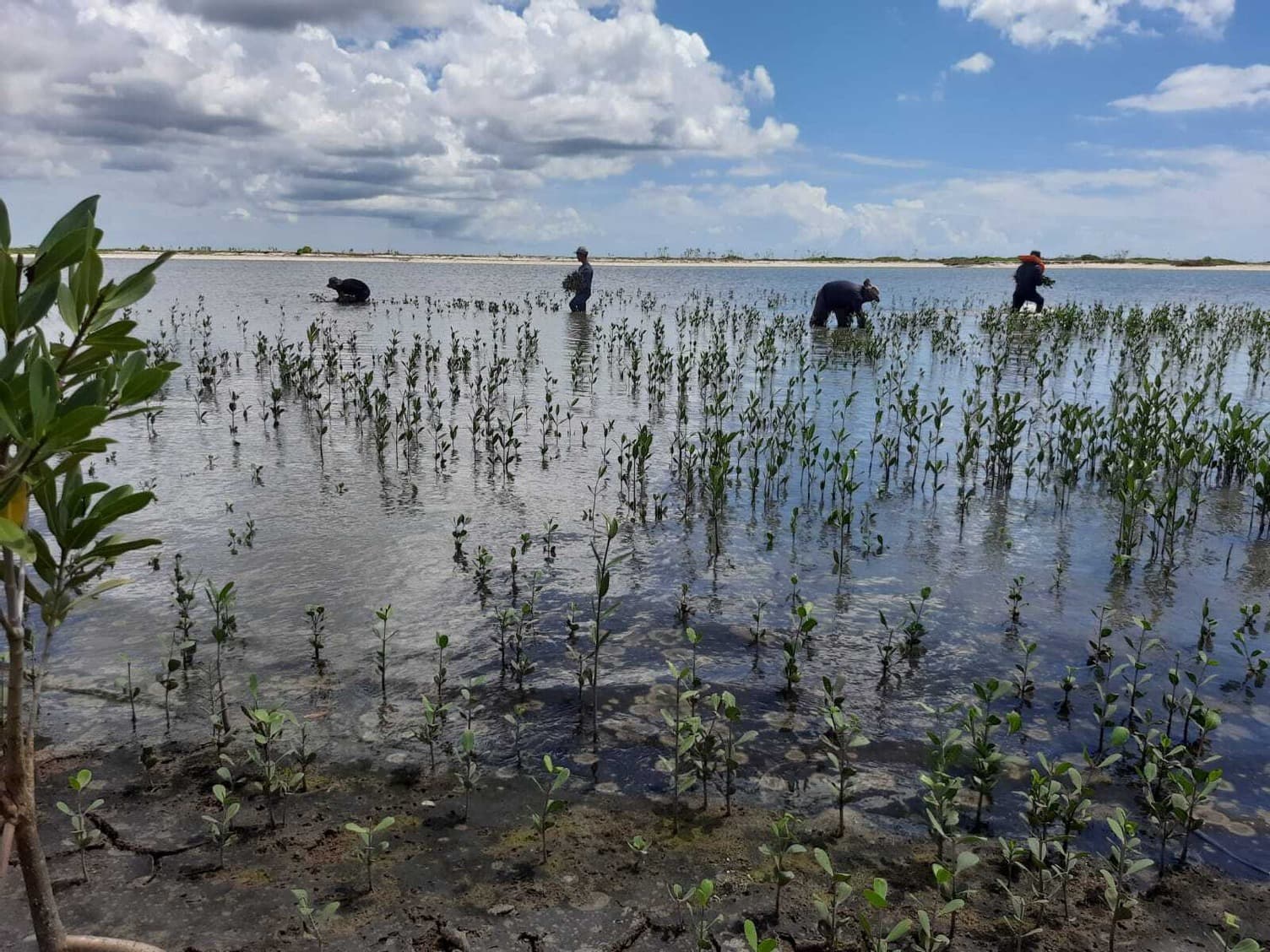
Brazil Mangrove Restoration
VeritreeTrees Remaining
The Brazil Mangrove Restoration project operates in the Maranhao region, home to one of the largest continuous mangrove ecosystems in the Americas. These mangroves form a critical buffer zone between the Amazon basin and the Atlantic Ocean, supporting exceptional biodiversity and coastal resilience. Maranhao's mangroves face pressures from shrimp farming, urban development, and climate change. This restoration project works with local fishing communities who depend on healthy mangrove ecosystems for their livelihoods, creating employment opportunities through sustainable restoration practices. The project plants native mangrove species including Rhizophora mucronata, Avicennia germinans (black mangrove), and Laguncularia racemosa (white mangrove). This species mix reflects the natural composition of healthy Maranhao mangrove forests. Each mangrove tree is estimated to capture approximately 0.31 tonnes (310 kg) of CO2 over its 30-year growth cycle, based on Veritree's validated restoration methodology. The project achieves an 80% survivability rate through careful site selection and ongoing community stewardship. Planting occurs during the extended window of January through June, taking advantage of Brazil's wet season when young mangroves establish most successfully.




Coordinates: -2.4955, -43.4588
*Model-based estimate; actual sequestration varies by site and conditions